Social Media and ‘Us’

apps blur button close up

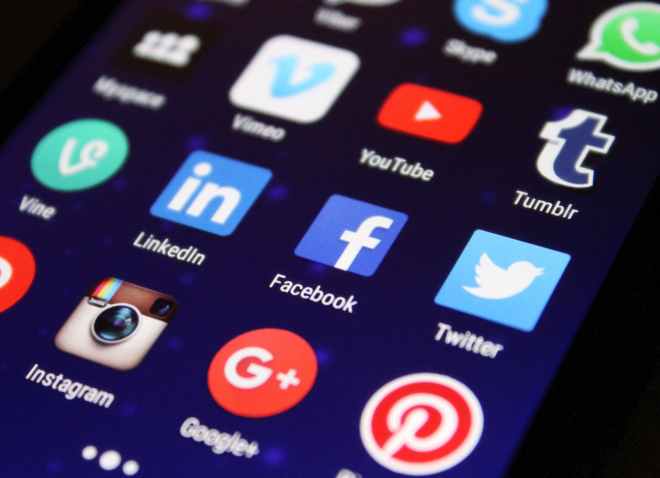
Everyone loves social media and almost everyone has Twitter, Instagram, Snapchat, Facebook you name it. How many of us are constantly glued to our phones not paying attention to others or our surroundings? How often do we pick up the phone and switch from app to app knowing nothing will have changed after a mere few seconds? We’re all guilty right? Even me. We’ve all scrolled through our timelines liking pictures and wishing we could have that life style, that relationship, that holiday, that body or even that new car. I mean we are human after all and it’s human nature to want something but when it starts affecting our self esteem and mental health, that’s when we’ve got to address the bigger issue.

There are pros and cons to everything in life and the same can be said for social media. Social media platforms are one of the biggest tools used when it comes to marketing and generating an audience for many things, be it products, events or even people but at the same time, it can have a very negative affect on a person’s mental health and well being.

The pros to social media are vast such as:

• being cost effective

• huge chance of going viral and reaching a vast audience

• you get instant feedback

• a great market research tool

• great way to promote

• brings people together

• great for charity work

• create a network

• being available almost any time and anywhere

• assistance in getting jobs

• interacting with like minded people

• helps people keep up to date with what’s going on in the world

Social media is unlimited in terms of the good you can do but have we ever thought about the consequences and the negativity surrounding social media? At some point we’ve all been a victim of social media affecting us in one way or another, be it mentally or physically. It’s so widely used and in a latest review in the ‘Communications Market Report’ it has been said that a fifth of British adults felt stressed if they could not access the internet. British adults spend at least 40 hours a week online. That is the equivalent to a whole working week for some people in the UK. That is a lot of hours spent staring at a screen when you could be using that time to do something productive. We don’t think like that when we’re on social media because we use it to time pass and then we complain we don’t have time to do other things.

Let’s talk about social media and its negative impact on mental health. We’re seeing a lot of the youth of today using social media from as little as 8, which is quite worrying considering they are exposed to a lot on the internet. It’s hardly safe on there for any adult never mind an 8 year old. Our Generation ‘Y’ hardly knew what the internet was, never mind social media. We grew up playing outside the proper way getting all muddy, getting the odd graze from falling and getting drenched in the rain. These days kids are glued to their phones and iPads from the age of 4/5, they know what to look for and how to swipe up the notifications. Why is it that it has become almost the norm to provide kids as little as 4 with these gadgets? Have parents given up? What happened to good old grass and football or dolls and doll houses? Who’s to blame for this? In one way it’s convenient to hand over a phone or an iPad, so it keeps the children occupied and gives the parents some time to do their own things. But on the other-hand, it can be a recipe for disaster if left unsupervised or it can become an addiction.

Technology is so advanced and it has replaced so many things, it’s like we hardly do anything ourselves. Even conversations don’t feel real anymore because we’re used to picking up our phones and texting away. No real emotion or feelings are projected through a screen, so many things can be misinterpreted if we’re not careful.

Cyber bullying is on the rise and many kids as well as adults have been a victim to it which has lead to self harm or suicide in many cases. According to The Independent, the number of teenage suicides in England and Wales increased by 67 per cent between 2010 and 2017. Studies have linked social media to increasing anxiety and depression amongst teenagers. Kids are bullied for looking different, having a disability, being a different race or religion to name a few. Because kids and teenagers are exposed to all this, it can take a toll on how they see themselves wanting to be like others from a very young age. Children should not be put under any form of pressure especially when they are so young and have a long life ahead of them. This is the time for youngsters to enjoy life, not to be pressured into looking or being like anyone else.

Once again, social media DOES have its pros but when you dig deep, you find many wrongs. People who use social media often may have a lack of emotional connection when it comes to the real world. We’re so busy sat behind a screen, anyone can put on a show. You become lazy and any interaction with the real world may seem almost alien like to someone who’s constantly on social media. It decreases your productivity levels and destroys social skills. Another thing that people tend to forget is that they’re giving away a lot of personal information and letting people into their private lives. This way it can be dangerous because someone may be noting it all down and you could potentially have a stalker. We post up pictures not giving it a second thought as to who is watching us and who may have saved the content. We are putting ourselves at risk if we’re not careful.

Social media is one of the reasons why people suffer from depression, anxiety, low self esteem and even resort to suicide. I can speak from a woman’s point of view and say that yes, we look at all these Instagram models and sometimes wish we could look like that, that perfect body that has been portrayed to the audience. Of course it’s going to have a negative impact on the way we think and how we feel about ourselves. Society and celebrities have made it very hard for ‘normal people’ to live a life where there are no physical expectations for both men and women. There’s always something whether it’s make up, cosmetic surgery or anything else for that matter.

We see couples on Instagram posting pictures of their day to day lives and it all looks rosey but who knows what goes on behind closed doors? No one will ever show you their struggle so when they say ‘people only show you want they want you to see’ it makes perfect sense. Nothing is ever picture perfect. Social media has created this illusion that everything has to be perfect. People are wishing and being envious of things or lifestyles that just don’t exist. It’s a front, it’s a show. It makes you feel like your life is inadequate just because you aren’t posting things or aren’t supposedly doing the things that everyone else is doing. People need to let go of the idea that just because someone else is achieving something by a certain age, that you should too. There shouldn’t be this expectation to have something achieved by a certain age. There are no rules to life, neither is it a competition or a race, your time will come.
‘Men Don’t Cry’


7B851A10-969D-4044-B8F4-702ACC13C365

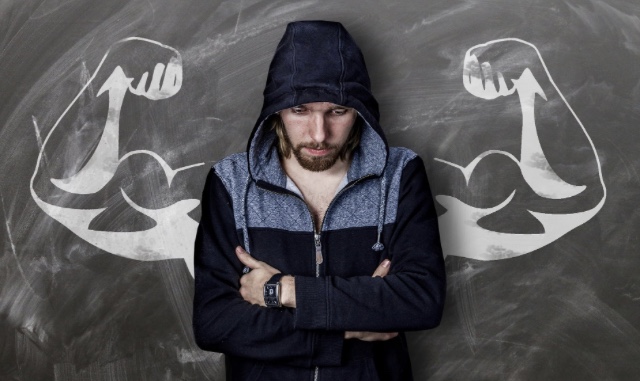
It’s instilled in boys from a young age, that boys shouldn’t cry when they fall or get hurt because these kind of emotions are only for girls or embarrassing for a boy. They’re told by their own parents, especially their fathers or any other male figure, to get up and to just get on with life and carry on like nothing happened. ‘Take it like a man’ they say. They’re told not to cry because they might be seen as being weak or girly and a boy is not meant to come across like that. We’ve all heard the saying ‘men don’t cry’ or ‘man up’. What are the meanings behind these said phrases? Simply to brush off their feelings as if men are robotic and emotionless. If they’re not meant to cry or show emotion, how are they meant to deal with their trapped feelings?

We all seem to have this stereotyped ideology that men should be this tall, huge manly figure who are strong headed and just get on with life. Men are expected to be resilient, annulled of pain and emotion; if a man cries, he shouldn’t show it. Why? Because emotions are linked to weakness, and mostly associated with women. Most men suffer alone and do not wish to talk about their feelings just in case they are judged or they feel embarrassed. Women have generally been able to cry without being ridiculed but a man? No. Why does society feel a man shouldn’t be able to share his emotions when he’s feeling low, sad or upset? More emotions a man hides, the more pressure builds up in the mind. Why should he have to bury his head in the sand and just get on with it? 

This is a huge problem and more should be done to help men express themselves and not feel like they should isolate themselves and bottle it all up. Bottling things up will NEVER have a positive outcome; in fact it will lead to a number of things like depression and health problems. The taboos around this are shocking and because of this, men are less likely to reach out for help when it comes to depression. Part of the stigma that still exists about mental health for men, is that men have greater difficulty talking about their own struggles more than women do. The suicide rate is 40% higher amongst men than it is in women. Anxiety, depression and stress are why men are committing suicide because of the pressures of life, traumas, bereavement or anything of the sort. No one is there to listen to them because they feel they should ‘man up’. They feel like they should be the ones holding it all together and play the strong role, because SOCIETY has made it to be like this. Men are told that they are the protectors of their family and that they should do what a man is supposed to do, which is to work and provide for their families. Most of all, making family and work a priority before himself.

This attitude needs to go and more people need to understand that it’s okay for a man to cry or to just unload himself. Crying or talking to someone is a way of getting rid of stress in the body and if that can’t be done, it can lead to both physical and emotional illnesses. These can be heart, stomach, liver, and kidney diseases and emotional disorders that include depression, Post Traumatic Stress, suicide and much more. This can take a toll both physically and mentally on any human.

Some of the ways to tackle this issue within society is by talking to someone that you trust. Through research, after all that men go through, they need to be loved and comforted at the end of the day is what I’ve summed up. A lot of men feel empty inside and keep the issue to themselves which is not healthy for the mind. The human mind is very fragile and people can snap or break at any given moment.

Whilst doing my own first hand research by talking to a few males, it seems not all are fussed when it comes to their emotions and speaking out. Some are very hurt and wish not to talk. Some find it perfectly normal and feel that it’s fine for them to just get on with things because ‘it is what it is’. They don’t feel any kind of way in terms of depression and that’s fine, not everyone is the same and they can actually handle things. But this is more for the men who feel like they need an outlet, someone to talk to, to confide in and to just feel better. Sometimes all it takes is for someone to listen to you, it’s not necessary to give advice or words of comfort but to just be there and to listen is enough. 

Guidance and support does not discriminate against gender; both men, boys, women and girls are entitled to help. It’s okay to ask for help and you’re not the only one who’s suffering alone. Do not suffer in silence. The next time someone tells you to “man up”, remember mental health affects us all regardless of gender, so do not feel like being a man is a barrier to finding the path to a healthier, happier you.

What is Depression?

adult art conceptual dark
Photo by Pixabay on Pexels.com

What is Depression?

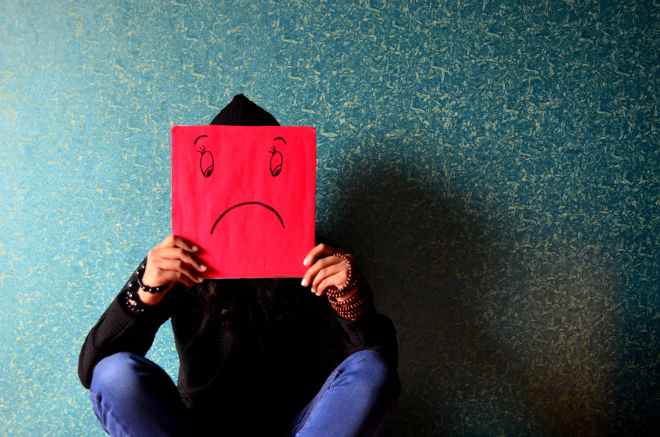
What is depression and what does it feel like? I remember when I was going through this last year and people asked me ‘what is it?’ ‘How can you even feel like that, I don’t understand?’ ‘What’s caused it and why?’ The reality of it is that it’s not something you can easily talk about and pin point what it is exactly that is going on in your mind, because in actual fact we have no idea ourselves. It can affect anyone and everyone, even the ones who seem like they’re doing just fine. I think it’s hard for people to understand because people assume you’re okay and that you have everything so why do you feel like this? Truth is, people with depression can mask how they feel therefore it’s not noticeable. They mask it by laughing and making jokes when inside they’re completely numb, dead, sad and scared.

Depression feels like you don’t want to exist in a nutshell but the emotions and thoughts play a vital role in how you feel. It’s a feeling of not finding an end to the pain so thoughts of suicide start circling. These uninvited thoughts you have to fight everyday, they’re like demons that keep coming back for more which then leave you exhausted, frustrated, agitated, angry and sad. It’s like drowning except you can see everyone around you breathing. It’s not something you can just snap out of by a click of your fingers and it most definitely doesn’t make you weak. In fact in my opinion, it makes you a strong person for having to deal with such vast emotions. It’s real, it’s hard and it’s exhausting.

Depression affects one in 10 people at some point during their life. It’s a common mental illness that affects how you think, feel and act. It’s a feeling of overwhelming sadness and having little to no interest in anything and can take a toll on a person’s physical well being if it gets serious. There are a few symptoms of depression, which can differ from each person depending on the severity of the illness.


  • Thinking of death or suicide
  • Feeling sad and depressed
  • Having little to no interest in activities that you once enjoyed
  • Loss of appetite
  • Feeling worthless or guilty
  • Feeling unloved and hating the way you look
  • Talking slowly
  • Not being able to concentrate or think straight
  • Feeling lethargic
  • Sleeping too less or too much
  • Thinking you’re not enough
  • Anxiety


Different Types of Depression

There are different types of depression such as major depression, postnatal depression, bipolar disorder and seasonal affective disorder (SAD).

Major Depression

This is where a dark mood overtakes and a person loses interest in activities, even ones that are usually enjoyable. Symptoms of this depression include trouble sleeping, changes in appetite or weight, loss of energy, and feeling insignificant. Thoughts of death or suicide may also occur. It’s usually treated with psychotherapy and medication. For some people with severe depression that doesn’t improve with psychotherapy or antidepressants, electroconvulsive therapy may be used.

SAD (Seasonal Affective Disorder)

SAD is linked with winter and can last until spring. The milder version of this depression can also be called the winter blues. Seasonal Affective Disorder can make you feel anxious, stressed and depressed.

Post-natal

Some new mums may experience ‘baby blues’ a few days after birth. This means they might feel anxious, lack in confidence, which can be very frustrating but in most cases may last a few weeks. However post-natal depression is more intense and lasts longer. As they are new mothers, it can leave them feeling overwhelmed, not enough and not being able to cope. Problems when sleeping may occur, panic attacks or a strong fear of dying. Some mothers may feel negative feelings towards their child. This usually happens 2/3 weeks after giving birth.

Bipolar Disorder

Bipolar disorder deals with mood swings that can be extreme. People who have this disorder can have highs where they feel very ecstatic and indestructible to then feeling low where they can face extreme despair, tiredness and suicidal feelings. Sometimes people have very severe symptoms where they can’t make sense of their world and do things that seem peculiar or irrational.

There are a number of things that can cause depression but it solely depends on the individuals themselves. It could be genetic, childhood traumas or any trauma for that matter, biochemistry (differences in the chemicals of the brain), personality so having low self esteem and people who are easily stressed. The environment can play a factor too so it could be a history of abuse, neglect or financial problems that could lead to depression. For some women it can happen after giving birth. Other things that can play a role in having depression are the death of a loved one or even losing a job.

Depression and suicide are heavily linked and there are warning signs that someone may be thinking of suicide. If you feel or see anyone say or feel like this, contact a professional for help.

  • Self harm
  • Writing suicide notes
  • Talking about death or suicide
  • Giving away their things or saying final goodbyes

I have attached a link below for all the necessary helplines if anyone is struggling to cope. REMEMBER- you are not alone.

https://www.itv.com/thismorning/suicide-prevention-helplines

Most people will go through a sad time or feeling down and it won’t last as long as depression. Depression is different and it lasts longer than a few days. It can be weeks, months or even years if left untreated. It’s the frequent low moods, feeling helpless, useless and just down in the dumps. Many people who have depression also have symptoms of anxiety. Anxiety and depression link together as they are based on fear, although anxiety has triggers that set a person off whereas depression is almost constant.

Depression can be treated and this can be done through many different kinds of therapies as well as simple life style changes. Therapies such as counselling, CBT (cognitive behavioural therapy) mindfulness, counselling, psychodynamic psychotherapy, interpersonal therapy, brain stimulation and antidepressants can help. Not everyone needs antidepressants and the path you choose to take will depend on the severity of your depression, so it will vary from person to person.

Life style changes can help your depression like exercise, it will release endorphins that make you feel better and will help with your self-esteem and confidence. Taking out all the bad things for your body such as alcohol, smoking and generally eating a healthy diet can help too. Meditation has also been said to help calm a person’s mind and in doing so, will ease a person’s mind and bring in positive vibes.

Depression is more than feeling upset or sad for a few days but with the right help and support, it is possible to pull through. The changes won’t happen over night but the very first step you take, are the very first steps to getting better. Never feel like you are alone. People are here to help you.

Self Compassion – Reward Yourself

white ceramic teacup with saucer near two books above gray floral textile
Photo by Thought Catalog on Pexels.com

So you have your good days and the bad days. You feel like the bad days outweigh the good but still hold onto the hope that one day it’ll be the other way round. So when the good days come about and you feel like you have conquered a part of your mental health, what do you do? Do you reward yourself or do you think ‘ah, it’s another good day’ and then just leave it at that?

You may sometimes feel like you do too much or feel pressurised to do so, but you need to realise that you’re allowed to have ‘me’ days. Me days are important not only for your mental health but your body and soul. You need down time to relax and that in itself is rewarding yourself. It doesn’t have to be anything materialistic like shopping or food but it can also be just having a lazy day watching all your favourite Netflix shows, having some quiet time sipping some tea, reading a book, meditating or doing yoga! All these are still classed as rewarding yourself because you’re giving yourself a much needed break from life’s commitments and battles. Every time you’ve battled a fear congratulate yourself, it’ll encourage you to be more positive and feel happier in yourself.

Say you’re in a situation where you feel your anxiety is playing up and you start taking deep breaths until you feel normal again, that should be a cause in itself to reward yourself even by just saying a few words of encouragement like ‘I’ve done it!’ Trust me when I say this, any words of encouragement you say to yourself really do help and this doesn’t just go out to the people with a mental illness. This can be for anyone for example; someone who’s got an interview and it’s nerve racking, even so much so as meeting new people or even trying new things, after you’ve done all these, tell yourself ‘I did it!’

Self compassion is important for ones mental health, it’s about being kind to yourself and learning to love yourself. Loving yourself is a very hard task especially when you’re going through emotions that make you feel unlovable, unworthy and just ugly. Reward yourself when you see or feel a positive behaviour or change in you. There’s a chance that it may repeat itself somewhere down the line and that is ALWAYS a good thing! A happy mind is a happy you, always remember that.

‘Slap a face mask on, put your feet up, grab a cuppa and RELAX. A relaxed you is a HAPPY you!’ 😃

Mental Health- In an Asian Community

Mental Health Mental Health Cloud Anxiety

What is mental health and why is it so important? Why is there so much emphasis on this particular subject these days? Mental health covers a lot of ground in terms of various illnesses and come in many forms which can have a diverse effect on ones well being. There’s depression, anxiety, OCD, bipolar disorder, schizophrenia and many more and it affects about 1 in 4 people in the UK. The most common are anxiety and depression and with the right professional help these can be dealt with. This can be through therapy ie CBT therapy (cognitive behavioural therapy) counselling as well as medication depending on the individual. The numbers have set to have risen over the years, yet not everyone goes to seek medical help due to various reasons. It could be due to embarrassment, it could also be that they just don’t have the courage to admit that they have a mental health problem.

Having a mental illness in a Asian community is almost like saying it doesn’t exist to the point we’re made out to look like we’re ‘faking it’ or just being ‘lazy’ when in actual fact there’s so much more to it. There’s this stigma around mental illness and no one seems to want to talk about it because it’s ‘too embarrassing’ or ‘WHAT WILL PEOPLE SAY OR THINK?’ Notice how I put that in capitals? This is the frame of mind some Asians seem to have on various taboo subjects. Always about what others think and never how your kids or people around you feel. What needs to be understood is that people will talk regardless of circumstances so just let it be. Take care of your loved ones and attend to them.

Sometimes people have to sweep their words and emotions under the carpet like they’re non existent because no one wants to know or hear them out. Even if they do supposedly speak on it then they’ll get things like ‘oh it’s a phase’ or ‘don’t be daft you’ll be fine’. Yeah right, in fact I’d say this is common in most Asian families, maybe it’s an Asian thing. This is more for the sufferers family out there who seem to think it’s okay to throw sarcasm or snide comments when they say ‘I can’t do this’ or ‘I’m too tired’. They don’t say this for the sake of it, they say this because they genuinely cannot do something because of the way their mind plays up. People with a mental illness need all the support they can get and if it’s not starting at home then there’s a big problem. It’s too much work having to go through various emotions throughout the day, without having people think like this of them. Why do Asians not understand and why is there so much stigma attached to it? Maybe the older generation have had it tough and all they know is to just get on with it, but why should you? You’re having it tough too, so tough that you can’t function to the point you feel like you need help or don’t want to exist anymore.

Our generation is very different to our parents generation, times are changing and there are too many pressures of this day and age. It shouldn’t have to be like this and more needs to be done to educate the Asian community and to stop being so pressuring and superstitious about things because it’s not nazar (evil eye) nor is it jinns. That’s what is said when people aren’t educated enough on a matter. It’s like anything else, if you don’t have the knowledge, don’t speak on it.

Mental health can affect anyone at anytime, there is no specific age, gender or race. When going through this ordeal, relationships, work life and social life can be affected and your whole mood changes as well as your emotions. It affects how you think, feel and act and you don’t know whether you’re coming or going which is the hardest bit. It’s tiring, draining, exhausting to the point you feel numb, useless and helpless and may feel like giving up on life. It’s hard to talk about these things and what’s troubling you but talking about things does help in the long run and may be the start to a road of recovery with the right help.

Mental health isn’t a joke, it should be treated just like any other illness and shouldn’t make people to think any less of themselves especially in an Asian household. If you see someone acting different, distancing themselves, staying quiet, always looking worried, poor appetite, secluding themselves and not going out like they used to, just drop by and ask if they’re okay. Sometimes that’s all it takes for someone to have the courage to open up to you.

“It’s okay to talk, it’s okay to share and it’s also okay to be NOT okay. You’re human”.